
Using More Intelligence: Holistic Philosophy of Learning Owlypia
The theory of multiple intelligences
The theory of multiple intelligences, designed by Howard Gardner, revolutionised how we perceive cognitive abilities. Instead of a single monolithic scale of intelligence, Gardner's framework suggests that people have different ways of learning – linguistic, logical, mathematical, musical, spatial, physical, interpersonal, intrapersonal and naturalistic. Traditional education often focusses on only a few of them, potentially marginalising students whose strengths lie elsewhere. Owlypia will enter a holistic learning philosophy that recognises and uses diversity in how students think and learn.
One way to include more intelligence is to offer various formats and media. Participants can participate in a short film, read a scientific article, analyse a work of art, or explore historical archives—all with the same thematic challenge. This approach ensures that pupils who excel in visual or musical spatial intelligence feel as proven and engaged as those who are doing linguistic or logical tasks. For example, a space-adept student could decrypt the visual patterns in the graph or propose an engaging presentation, while a verbally gifted peer could create a convincing story or argument.
How does Owlypia make cooperation between different intelligences?
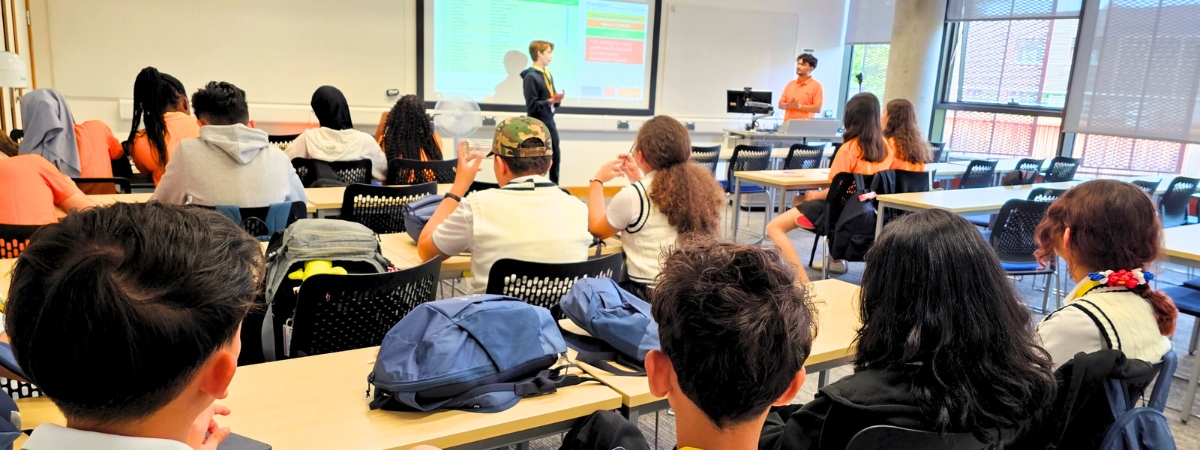
Cooperation further amplifies these different intelligences. Owlypia often assigns group projects, which makes the participants divide roles based on their natural abilities. One person can lead the brainstorming session (intrapersonal or logical intelligence), another can organise the group discussions (interpersonal intelligence), and the third can work on the final presentation (spatial intelligence). By joining these roles, the group achieves a more well-rounded result than if each member tried to do everything evenly. This structure confirms different intelligence and teaches respect for different sets of skills.
In addition, Owlypia challenges support practical or real application avenues, where they can shine with physical, kinaesthetic and naturalistic intelligence. Depending on the task, students could perform experiments, explore nature, or even create physical models. For those who have talent for athletics, dance or practical work, such tasks promote engagement by purely learning based on a lecture. Similarly, naturally orientated students will find opportunities to integrate environmental or observational knowledge, thereby spanning academic theory with tangible experience.
Interpersonal and intrapersonal skills to help students
Another aspect of multiple intelligence, interpersonal and intrapersonal skills, features prominently in the reflex processes of Owlypia. After the call, students often debrief with their teammates or mentors and analyse not only the results but also how they arrived. This self-confidence (intrapersonal intelligence) and mutual feedback (interpersonal intelligence) help students determine their individual contributions and areas of personal growth. They will learn to articulate emotions, deal with conflicts and celebrate success – competence for building emotional intelligence and strong social skills.
For teachers, the holistic philosophy of Owlypia is a blessing in the design of inclusive plans for the lesson. Teachers integrate various sources and tasks of Owlypia into the curriculum instead of relying on a limited range of teaching methods, such as lectures, worksheets, or multiple-choice tests. They could have students who learn best by narration create a narrative summary of research results, while others create visual infographics or coordinate the game. The harmonisation of these tasks with the roofing theme of the Owlypia round means the lessons remain coherent, academically strict and harmonised with the standards of learning.
Finally, accepting more intelligence is not about categorising students in solid boxes. Rather, he acknowledges that intelligence is manifested in an innocent way and that effective education should cultivate all. Integrated challenges of Owlypia, setting up cooperation and reflective ethos embody this principle and ensure that participants can explore and excel through their preferred learning ways. This not only increases individual performance but also builds a richer and more inclusive educational community, where the unique way of thinking of each student is brought up and celebrated. Over time, such an approach can inspire lifelong curiosity and a firm belief in the unlimited potential of human intelligence.


Leave a Comment